
The Thrill of the Game
The excitement that comes with casino gambling is often described as exhilarating. Players are drawn to the lights, sounds, and vibrant atmosphere that casinos provide. This sensory overload creates a sense of anticipation and exhilaration that many find addictive. The thrill of potentially winning big can overshadow the risks involved, leading players to engage even when they are aware of the odds stacked against them. Many people look for safe gambling sites in Australia, which can provide information on how to gamble responsibly.
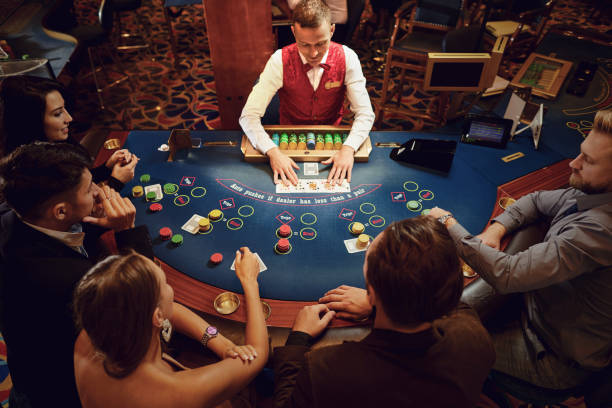
This thrill-seeking behavior is deeply rooted in human psychology. The release of dopamine during gambling can produce feelings of pleasure and satisfaction, creating a feedback loop that keeps players coming back for more. As players experience wins, no matter how small, their brains associate gambling with positive emotions, further fueling their desire to take risks.
The Role of Cognitive Biases
Cognitive biases play a significant role in how players perceive risk and reward in gambling. One common bias is the illusion of control, where players believe they can influence the outcome of a game, such as poker or blackjack, through skill or strategy. This perception can lead them to take greater risks, feeling more confident in their ability to win.
Another prevalent bias is the gambler’s fallacy, where individuals believe that past events influence future outcomes. For instance, after a series of losses, a player might feel that a win is “due,” prompting them to increase their bets. These cognitive distortions can cloud judgment and lead to excessive risk-taking behaviors, often resulting in significant losses.
Social Influences and Group Dynamics
The social environment of a casino also plays a crucial role in gambling behavior. Many players enjoy the camaraderie and shared excitement that comes from gambling in groups. Social interactions can amplify the thrill of the game, leading individuals to take risks they might avoid if gambling alone. The presence of friends or fellow gamblers can create a sense of security, encouraging players to push their limits further.
Moreover, the social acceptance of gambling can normalize risk-taking behaviors. Seeing others win big can create a bandwagon effect, where players feel compelled to join in on the action, believing they too could hit the jackpot. This social validation can be powerful, often overshadowing individual risk assessment.
Emotional Factors in Gambling Decisions
Emotions heavily influence gambling decisions. Players may gamble to escape stress, anxiety, or boredom, using it as a coping mechanism for difficult situations. The desire to alleviate negative emotions often leads individuals to take risks they might otherwise avoid in a more rational state of mind.
Conversely, positive emotions can also drive risk-taking. A player on a winning streak may become overconfident and start betting larger amounts, believing their luck will continue. Understanding the emotional triggers that lead to gambling can shed light on why players frequently take irrational risks, often leading to detrimental financial and personal consequences.

Engaging with Today Tonight Adelaide
For those interested in the complex interplay of psychology and gambling, staying informed is vital. Today Tonight Adelaide offers insights not just about local happenings but also examines broader topics affecting the community, including gambling behaviors. Engaging with reliable news sources can help individuals make informed decisions about their activities.
Additionally, Today Tonight Adelaide encourages community awareness and offers resources for responsible gambling practices. By staying connected with your local news, you can gain a deeper understanding of the impacts of gambling and how to navigate its risks effectively within your community.